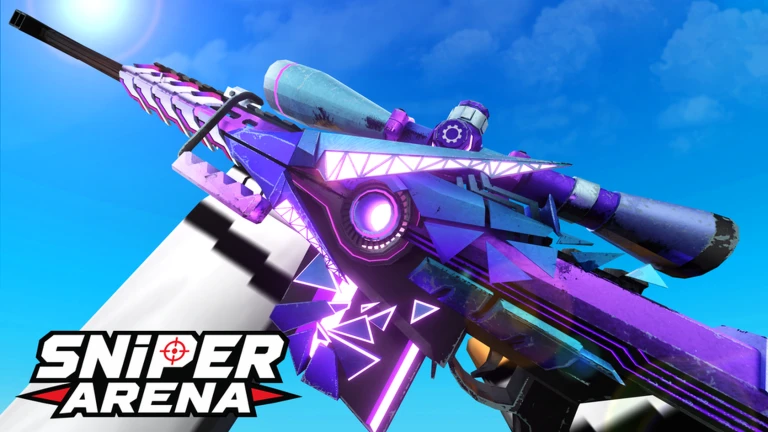
Mastering Sniper Arena Trading: The Ultimate Economy Guide
Discover expert strategies for Sniper Arena trading. Learn how to maximize your in-game profit, build a rare skin collection, and navigate the market safely.
Published: Sniper Arena Wiki Editorial Team
Table of Contents
Sniper Arena is more than just a test of your reflexes and aim; it is a complex, player-driven ecosystem where wealth management is just as critical as your K/D ratio. Whether you are a casual player looking to upgrade your loadout or a dedicated collector hunting for the rarest skins, understanding the nuances of Sniper Arena trading is the key to dominating the lobby.
In this guide, we dive deep into the mechanics of the market, helping you move beyond basic transactions to become a savvy economic player. If you have ever wondered why certain skins fluctuate in value or how top players accumulate millions in cash, this breakdown is your roadmap to success.
The Foundations of the Sniper Arena Economy
At its core, the economy is fueled by a mix of crate openings, limited-time event drops, and player-to-player commerce. Unlike static games, the Sniper Arena marketplace is highly reactive to community trends and update cycles.
When approaching Sniper Arena trading, you must differentiate between "hype value" and "utility value." Utility items, like common skins, have stable, predictable prices. In contrast, "hype items"—those with low serial numbers, unique patterns, or high-tier rarity—are driven by speculative demand.
Understanding Market Drivers
To excel in the market, you must track what drives prices. Community reports suggest that serial numbers (especially single digits) significantly impact the value of weapons like the Karambit or AWP.
Market Driver
Impact on Price
Why it Matters
Serial Numbers
Extremely High
Lower numbers (1-10) are status symbols.
Rarity Tier
High
Red-tier items hold value longer.
Meta Shifts
Medium
Updates can make certain weapons more popular.
Market Saturation
Low
Too many of an item drives the price down.
Essential Strategies for Successful Trading
Successful traders treat their inventory like a stock portfolio. The most common mistake beginners make is holding onto assets that are depreciating while missing out on high-demand, low-supply items.
1. The Art of the "Flip"
Flipping involves buying an item under its market value and reselling it for a profit. To do this, you need to spend time in the trading market, observing the prices different sellers set. According to experienced players, the best times to flip are immediately following a new game update, when pricing is inconsistent and "hidden gems" are often undervalued by impatient users.
2. Diversifying Your Portfolio
Do not put all your cash into a single high-ticket item. Instead, spread your resources across different types of assets, such as knives, scopes, and utility bundles. This minimizes your risk if a specific item’s demand suddenly drops.
Tip
Pro Trading Tip
Always verify the serial number of a weapon before finalizing a trade. A #5 serial is worth exponentially more than a #100 version of the same skin.
How to Avoid Common Trading Pitfalls
The market can be treacherous for those who don't prioritize security. Players often face issues with "overpriced" trades or, worse, falling for scams. Always prioritize using verified systems or reputable platforms to ensure your assets are protected.
Common Errors to Avoid
Impulse Buying: Never purchase an item just because it looks cool; always check the current trading range first.
Ignoring Tax: Remember that some platforms or in-game mechanisms involve "tax" or fees; calculate these into your net profit before making a move.
Over-relying on Luck: While unboxing cases is a popular way to get items, it is statistically less efficient than trading for the specific item you want.
Calculating Value: A Data-Driven Approach
Valuing items in Sniper Arena can be subjective, but using a structured approach helps. You should base your trades on the rarity tier and the historical performance of the weapon skin. If you are ever unsure, community calculators or market comparison tools can provide a baseline for the low, expected, and high price ranges of a specific item.
Typical Value Tiers
Tier
Description
Strategy
Common/Bulk
Easily farmed skins.
Good for building starting capital.
Mid-Tier
StatTrak weapons with average serials.
High liquidity; easy to buy and sell.
Rare/High-Demand
Single-digit serials, event-exclusives.
Long-term investment; high profit ceiling.
Maximizing Your Profit Potential
If you want to reach the level of the "richest players" in the game, you must be willing to engage in larger trades. This often involves trading bundles rather than single items.
When you have a large amount of cash (e.g., 500k+), look for traders who are liquidating their collections. They are often willing to accept a slightly lower total value for a quick cash sale. Use this to your advantage to acquire rare items that you can later break up and sell individually for a higher margin.
Warning
Safety First
Never share your login credentials with anyone, regardless of the deal they promise. Reputable trading platforms use escrow systems to protect both the buyer and the seller.
FAQ: Frequently Asked Questions
Q: How can I tell if a trade is fair?
A: Check the current market listings for the specific skin and serial number. If the trade requires you to pay significantly more than the average, it is likely an unfair deal.
Q: What is the most important factor in Sniper Arena trading?
A: Rarity and demand are the top factors. An item is only worth what a buyer is willing to pay, so track community interest carefully.
Q: Should I trade my cash for items or items for items?
A: It depends on your goal. Cash provides liquidity for quick "snags" on the market, while holding rare items is better for long-term value appreciation.
Q: Are there any safe ways to trade items?
A: Always use the built-in game trading features and avoid third-party, unverified Discord servers where you don't have escrow protection. Stick to reputable, community-vetted marketplaces.